Our provision
What a programme with GM Alternative Provision Ltd includes, and how it's built around each young person.
What's included
Education, structure and support together
Every programme combines education, pastoral and personal development support and, where appropriate, practical learning and work placements. The mix is shaped around each individual young person, agreed with the referring school and reviewed regularly, so it can flex as their needs change.
Education
Structured learning time in a small, calm setting, with subjects and focus areas agreed for each young person.
Pastoral & personal development
Consistent staff building genuine relationships, supporting personal development and helping young people build confidence.
Real-world learning
Work placements and practical experience for young people who are ready, matched to their interests.
Structure & attendance
A week shaped around the individual
GM operates Monday to Friday, but no two weeks look exactly the same — days, hours and sessions flex around what works for each young person.
Attendance days
A young person may attend GM between 1 and 5 days a week, depending on their individual programme.
Centre hours
The centre opens for students from approximately 9:00am until approximately 4:00pm. Individual attendance times are bespoke and may finish earlier, depending on the young person's needs.
Session structure
Learning sessions are typically shorter, in recognition of the needs of the young people we support — usually around 45 minutes of learning or activity, followed by a break of around 10 minutes.
Group sizes
Group sizes depend on the needs of the individual learners and their programme — typically around 3, 5, or up to approximately 10 students.
Individual Learning Plans
A plan built around each young person
Every young person's programme is shaped through an Individual Learning Plan (ILP), developed with them as they progress. Individual Learning Plans are reviewed termly to make sure they continue to reflect the young person's needs, progress and agreed targets.
GM may receive an existing ILP through the referral process. Where one isn't already in place, GM creates its own tailored plan, based on the young person's individual needs and the pathway they choose. Goals cover learning, personal development and progression towards the next step. Individual Learning Plans are formally agreed and signed off by Katie Smiles.
Induction
Getting to know the young person and settling them into the setting.
Assessment
Understanding strengths, needs and a starting point to plan from.
Individual goals
Agreeing goals for learning, personal development and next steps.
Review
Checking progress against the plan and adjusting it as needed.
Centre-based learning
Practical learning for everyday life and future work
Alongside core education, centre-based learning covers practical, everyday skills, including:
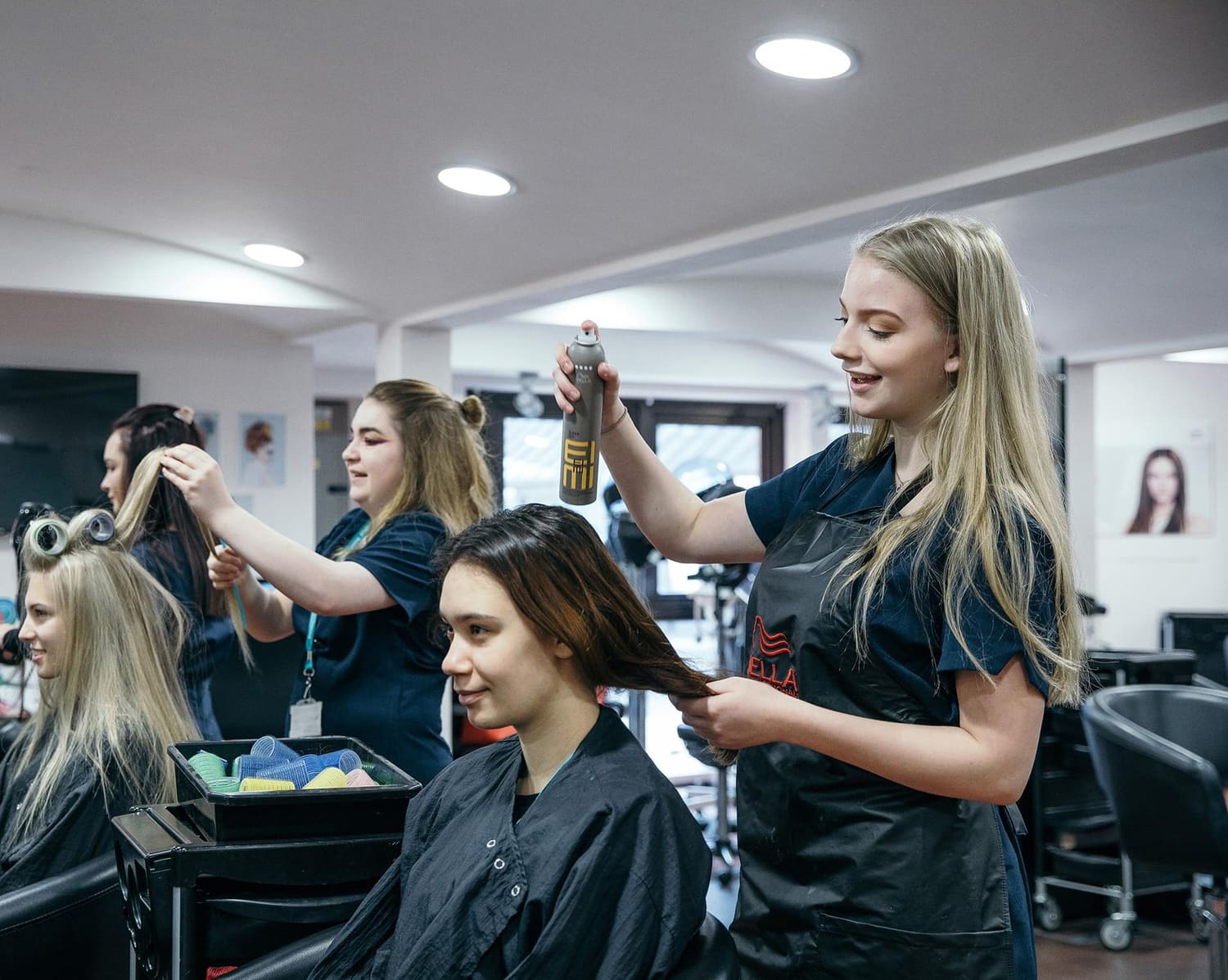
Not every activity applies to every young person — the mix offered depends on the individual's programme and pathway.
Centre facilities
What's at the centre
Confirmed facilities at the centre include:
The workshop space is used for basic construction, maintenance and repairs activities.
Employability
Building skills for what comes next
We also look to build practical employability skills that help young people move into their next step with more confidence.
GM offers Functional Skills in English, Maths and Digital, from Entry Level 1 through to Level 2, delivered through NCFE. Where relevant to a young person's vocational pathway, this can include CSCS test preparation — practice, preparation and mock tests to help students get ready. The CSCS test itself is delivered externally; GM does not issue the card. We also offer short online courses, including Food Hygiene and courses relevant to a student's chosen pathway.
Not every course or qualification applies to every young person — the mix offered depends on each individual's programme and pathway.
- CV creation
- Job search and job applications
- College applications
- Interview preparation
- Information, Advice and Guidance (IAG)
Flexible provision
Support that can adapt around the individual
Every young person's circumstances are different. Where appropriate, we look to adapt provision around individual needs rather than expecting one fixed pattern to fit everyone.
Exactly how this flexibility works in practice is agreed individually with the young person, their family and the referring school.
Monitoring & review
Keeping the plan on track
Programmes are reviewed regularly so we, the young person, their family or carers, and the referring school can see what's working and adjust what isn't. Monitoring may take place daily or weekly, depending on the young person's circumstances.
Attendance and progress are shared with the referring school as part of this. The specific format of attendance and progress reporting is set out on our Schools & Commissioners page.
Real-world work placements
A practical route back into engagement
For young people who are ready, we arrange work placements with local employers, matched to their interests and reviewed for suitability before they begin.
More about work placementsSafeguarding throughout
Built in, not bolted on
Safeguarding considerations run through every part of our provision, from the classroom to a work placement.
Our safeguarding approachWant to discuss a placement?
We're happy to talk through whether our provision is right for a young person you support.